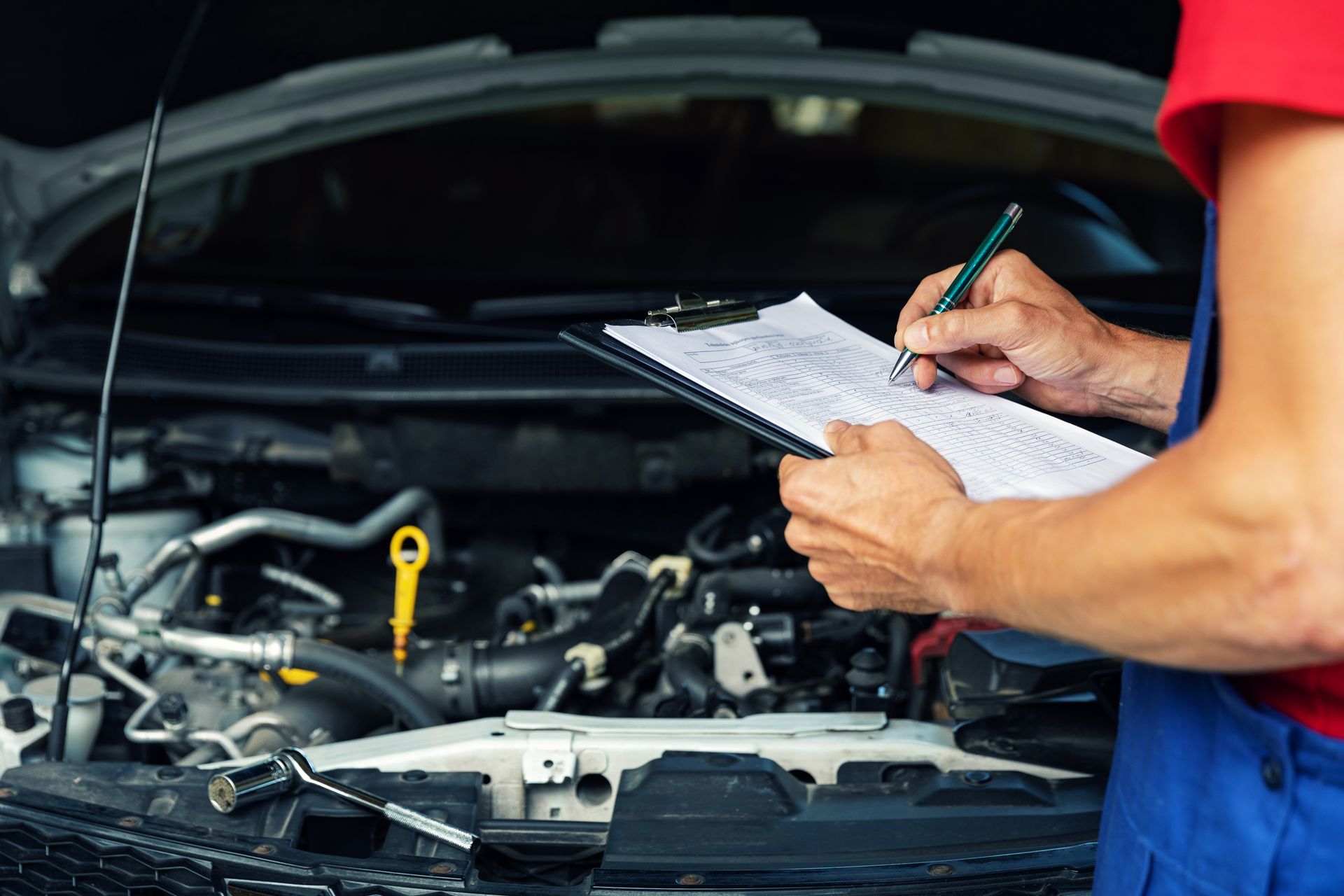
5 Important Services Your Mechanic Can Perform During an Oil Change Visit
An oil change visit creates a valuable opportunity to look beyond the engine oil and filter. With the vehicle already in the shop and often raised on a lift, a technician can check several systems that may be developing wear without producing a warning light or obvious driving symptom.
These checks can be especially helpful for German vehicles, which often use model-specific fluids, electronic service reminders, underbody panels, and tightly packaged components. Catching a small leak, damaged tire, or worn brake component during regular maintenance may help prevent a more expensive repair later.
1. Check And Top Off Essential Fluids
Several vehicle systems depend on fluids that can become low because of leaks, component wear, or previous service needs. During an oil change, the technician can check accessible reservoirs and look at fluid conditions where the design allows.
- Engine coolant
- Brake fluid
- Windshield washer fluid
- Power steering fluid on equipped vehicles
- Transmission fluid where accessible
- Clutch fluid on applicable models
Low coolant may point to a leaking hose, water pump, radiator, plastic housing, or reservoir. A low brake fluid level may reflect worn pads or a hydraulic leak. Fluids should not be topped off automatically without considering why the level dropped, especially when the same reservoir needs attention at several visits.
2. Inspect The Tires And Adjust Pressure
Tire pressure changes with temperature and can gradually decrease even when no puncture is present. Incorrect pressure affects tread wear, braking, steering response, fuel use, and the operation of tire pressure monitoring systems. The recommended setting is usually listed on the driver’s door placard rather than the tire sidewall.
A technician can also look for uneven wear, sidewall damage, embedded objects, tread separation, and aging rubber. Wear concentrated on one edge may suggest an alignment concern, while cupping can be connected to weak shocks, worn suspension parts, or wheel balance trouble. Finding these patterns early may help protect the remaining tire life.
3. Evaluate The Brakes
An oil change does not always include removing every wheel, but the technician may still be able to spot thin pads, damaged rotors, fluid leaks, or unusually heavy brake dust. Some vehicles also use electronic brake pad sensors that trigger a dashboard message when the friction material reaches a certain point.
A more complete brake inspection may be recommended if the vehicle squeals, vibrates, pulls, or has a pedal that feels different. German performance vehicles often use larger brake components and softer pad materials designed for strong stopping response, which can create different wear rates than drivers expect. Early measurements provide time to plan service before grinding damages the rotors.
4. Look For Oil, Coolant, And Other Leaks
Once the underbody panels are removed or the vehicle is raised, the technician can examine areas that are difficult for the driver to see. Fresh oil near the filter housing, drain plug, valve cover, oil pan, or engine seals may reveal a leak before the level becomes dangerously low.
Coolant residue, transmission fluid, gear oil, and hydraulic fluid may also appear around hoses, seals, pumps, and fittings. Some German engines use plastic cooling system parts that become brittle with age, while others may develop leaks around oil filter housings or vacuum pump seals. Identifying the fluid and its source is more useful than cleaning the area and waiting for it to return.
5. Check Belts, Hoses, And Visible Components
Drive belts operate equipment such as the alternator, water pump, and A/C compressor, depending on the engine design. Cracks, frayed edges, glazing, contamination, or a noisy tensioner can indicate that belt service is approaching. A belt damaged by leaking oil or coolant may fail sooner than expected.
Cooling hoses, intake tubes, wiring, engine mounts, and suspension parts may also be visible during the visit. The technician can look for swollen rubber, loose clamps, torn boots, cracked bushings, and damaged underbody shields. These observations do not replace a complete diagnostic process, but they can reveal concerns worth testing further.
Why Oil Change Visits Are Useful For German Vehicles
Many German vehicles have extended service schedules and electronic maintenance systems that track time, mileage, and operating conditions. The oil change visit gives the technician a chance to review those reminders, verify the correct oil approval, and determine whether filters, spark plugs, brake fluid, coolant, or drivetrain fluids are approaching their scheduled service points.
Keeping accurate records is important because the dashboard reminder may not list every item the vehicle needs. Service history allows the shop to separate work that is due from items that have already been completed. It also provides helpful context if a leak, warning light, or performance concern develops later.
An Oil Change Is Also A Chance To Plan Ahead
Not every concern found during the visit requires immediate repair. A slightly worn tire, aging belt, or minor seepage may only need monitoring. The technician can explain which findings are safety-related, which could lead to further damage, and which can be planned for a future appointment.
This approach gives drivers time to budget and schedule repairs before they become urgent. It also reduces the chance of discovering several overdue services at once. A careful oil change appointment should leave the owner with a clearer understanding of the vehicle’s current condition.
Get Oil Change Service In Frisco, TX, With Elite European Auto, LLC
Elite European Auto, LLC in Frisco, TX, provides oil change service and vehicle checks for German automobiles.